Thinking About Thinking
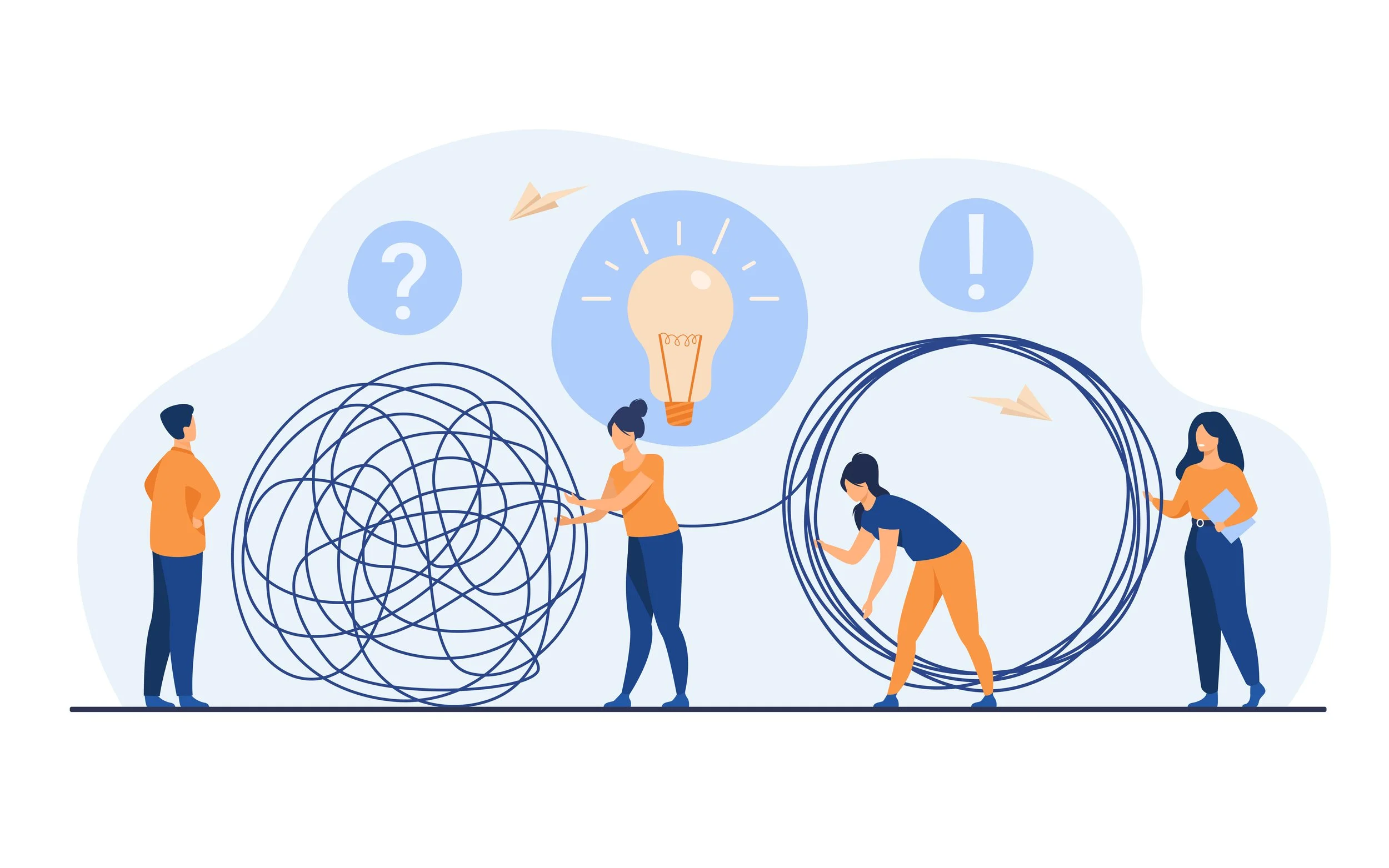
Why metacognition matters for learners — and a Madlib-style self-reflection resource to help your child think holistically about how they think.

The other day I watched an interview with Dr. Ken Atchity that planted a seed in me that’s been growing for a week or so now.
In the interview, Dr. Ken offered insight into the life of an artist by examining the creative process and comparing how different artists have worked, lived, and produced. Whether discussing his own methods or the methods of iconic artists before him, he constantly stressed “the importance of each artist not only knowing their own methods, but nourishing them.”
This got me thinking…
What more can I do to help kiddos think about their own learning profiles? Beyond that, how can I help students work toward creating optimal conditions for themselves?
It often feels that children are too stuck in examining their own successes/failures through the lens of the classes they take. I.e., I’m not a math person, or I’m only do well in English. Too often, the reflection stops here.
After listening to Dr. Ken speak about the process of some of the greats like Tolkien, Dick, etc., it’s clearer than ever to me: we need our children to do more holistic metacognitive reflection.
As a result, I am releasing a series of Madlib-styled self-reflection resources to help your learners. These resources were created with the sole intention of helping your learner think holistically about his/her thinking.
Please click below, make a copy, and fill it out with your kiddo. And I do mean fill it out with your kiddo. Make a section for each of you and see what kind of convo it sparks!
About Young Scholars Academy
Young Scholars Academy is a WASC-accredited virtual learning community offering 200+ live online courses and camps for gifted or 2e children ages 5–18, in classes of 6–8 students, led by neurodivergent mentors. Young Scholars Academy currently serves 1,200+ families across 47+ states and 17 countries, with a 93% semester-over-semester re-enrollment rate. ESA funding is accepted in 10+ states.
Explore Fall CoursesYou don't have to figure this out alone.
Right now, a kid who thinks like your kid is in a class they chose, with a mentor who was once just like them, surrounded by friends who don't think they're weird... they think they're interesting.
200+ courses for kids who think differently.
Live online. Classes of 6–8. Mentors who were these kids. WASC accredited.
Explore Fall CoursesTrusted by families like yours
1,200+ families across 47+ states. 93% re-enroll.
They found their people here. So can your child.
Explore Fall CoursesRecommended for readers of School & Learning
Find a school & learning class that fits your child.
Small groups of 6–8, led by mentors who get how your kid thinks.
Explore Fall Courses5 Signs Your Gifted or 2e Child Is Being Under-Served
A free, practical guide — plus early invites to expert talks, AMAs, and new course launches.
No spam. Unsubscribe anytime.
You're in! Check your inbox for the guide. ✨
You're already in the village
Here's what's open right now.
Live online. Classes of 6–8. Mentors who were these kids. WASC accredited.
Explore Fall Courses