I'm Worried About Screen Time. Are Online Classes Bad for My Kid?
Worried online classes mean too much screen time? How to tell connecting screen time from draining screen time, and build a balance that works.

A homeschool mom said it to me plainly this week. Her family spends most of the day off screens, outside, moving, and it works well for her son. She liked everything she heard about our classes. Her worry was the obvious one: “Am I just adding more screens?”
It’s a smart question, and here’s my answer. Not all screen time is created equal. An hour scrolling a feed and an hour in a live class with a mentor and five kids who share your kid’s passion are not the same activity. Judge screen time by what it does for your kid. Does it connect them to people and ideas, or does it drain them? Keep the first kind and cut the second.
Is all screen time the same?
No. I compare it to the real world. You could walk into a casino or you could walk into a classroom. Both are “going out,” and nobody thinks leaving the house is bad. What matters is where you go.
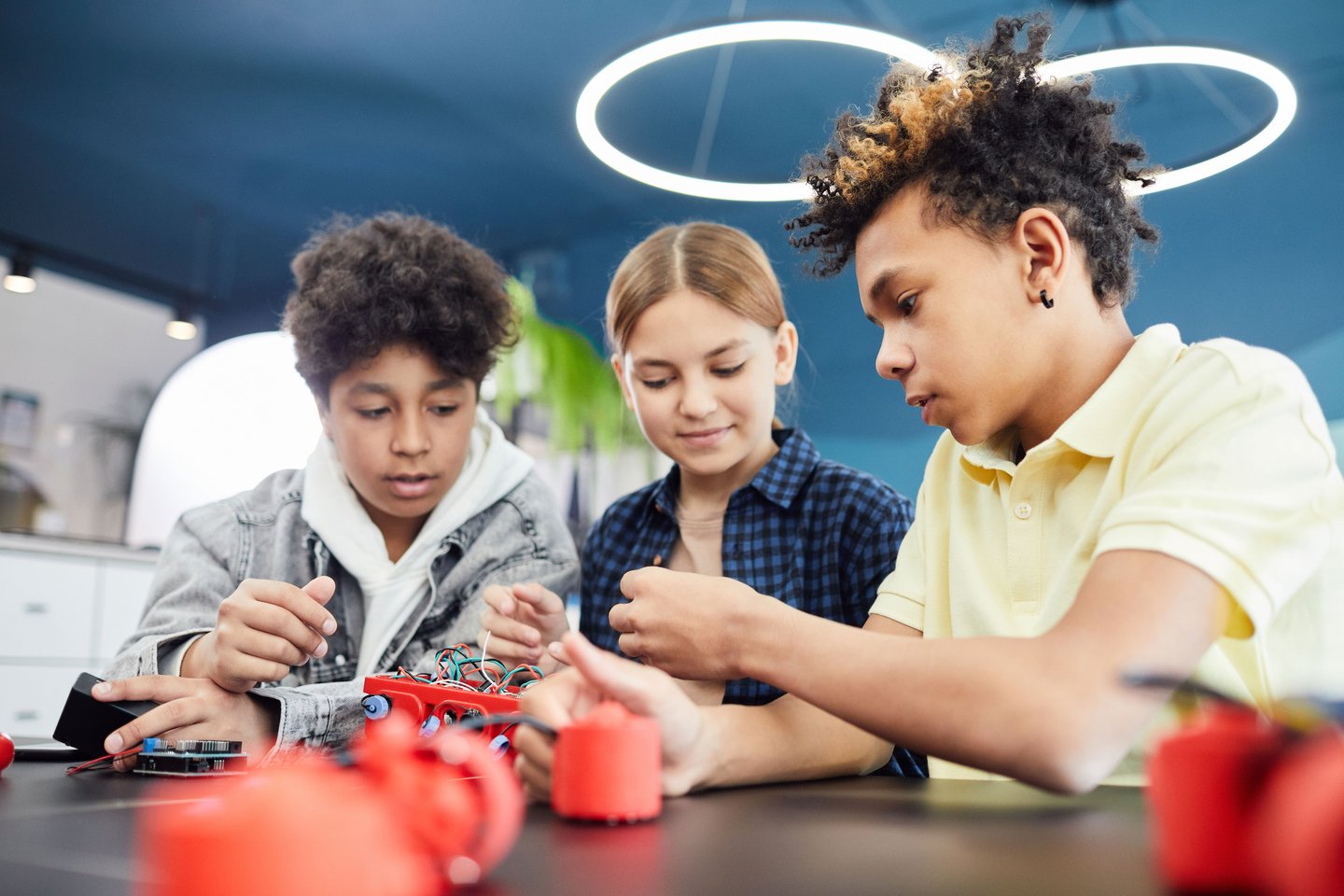
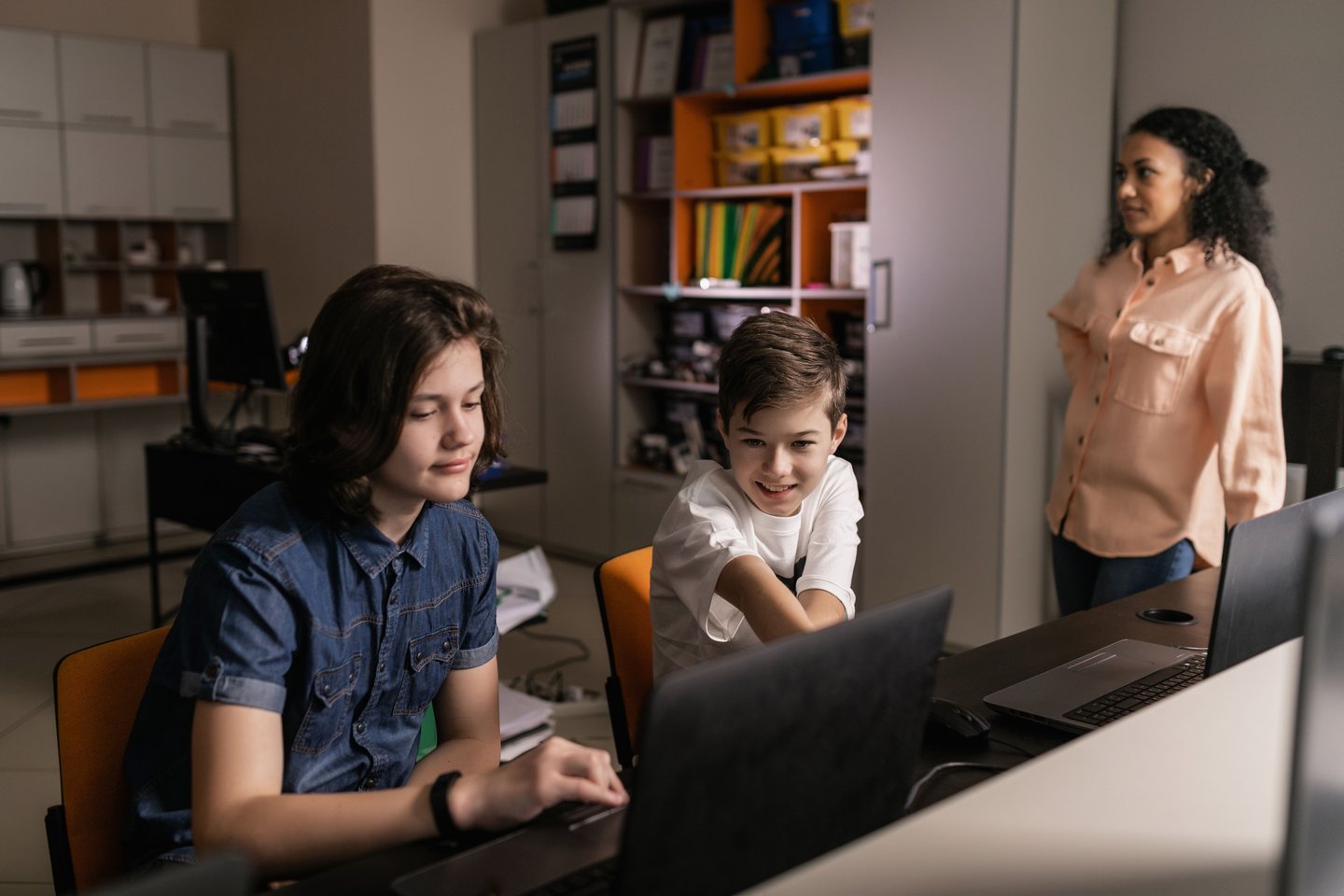
Screens work the same way. Some apps are built like digital slot machines, designed to keep your kid tapping. A live discussion class is the opposite. Your kid is talking, listening, arguing a point, making something and getting real feedback from a real adult.
How do I tell good screen time from bad screen time?
Ask four questions:
- Is my kid creating or just consuming? Building a map, writing a speech or designing a creature is different from watching autoplay.
- Are there real people on the other side? Live classes with a mentor and peers involve conversation, turn-taking and relationships.
- Does it have a clear end? A 50-minute class ends. An endless feed doesn’t.
- How does my kid seem afterward? Energized and chatty is a good sign. Wired, cranky or foggy is a warning.
My kid has ADHD. Won’t screens make it harder to focus?
It depends on what’s on the screen. Passive, fast-scrolling content can leave any kid scattered. A small, interactive class where your kid is called on, gets to move and works on something they care about is a very different experience.
Watch your own kid. One mom told me what she wanted most was something exciting enough to get her son out of bed and ready to start his day. That’s the test: engagement, not zoning out.
Why not just find something in person?
If there’s a great in-person option near you, go for it. No one wakes up and says, “I hope my kid takes classes from home.” Everyone’s dream is an amazing microschool in the backyard. For most families, that place doesn’t exist. And the specific thing your kid loves, whether it’s Model UN, mythology or World War I history, often isn’t offered anywhere nearby at their level.
That’s where online classes earn their screen time. They connect your kid to a topic and to kids they can’t find locally.
How much online class time is too much?
There isn’t one right number. Some of our homeschool families are with us for many hours a week. Others take one class while their kid goes to school full-time. A good balance protects time for movement, outdoors, sleep and in-person friends, then uses screens on purpose for the things that can’t happen any other way.
A simple way to start: pick one or two live classes around your kid’s biggest interest, keep everything else the same for a few weeks, and watch what happens.
Where does Young Scholars Academy fit?
YSA is a virtual enrichment village for gifted or 2e learners ages 5 to 18. Classes run about 50 minutes with 6–8 students max. Cameras are always optional, and classes are live conversations, not recorded lectures. Kids talk, debate, build and play with mentors who are grown-up versions of our kids. Families choose as many or as few classes as they want.
Frequently asked questions
Are live online classes better than recorded ones?
For connection, yes. Live classes include conversation, questions and relationships with a mentor and peers. Recorded videos can be useful, but they’re a one-way street.
Does my kid have to keep their camera on?
Not at YSA. Cameras are always optional.
What if my kid is very active and can’t sit still?
Many of our classes are hands-on or game-based, and kids are welcome to move, fidget or build while they participate.
How do I keep online classes from taking over our day?
Put them on the calendar at set times, like any other activity, and protect the hours around them for offline time.
Make the screen time count
If you’re on the fence about online classes, book a short call with me. Tell me how your family uses screens now and what your kid loves, and we’ll find a balance that fits.
Mr. Sam
About Young Scholars Academy
Young Scholars Academy is a WASC-accredited virtual learning community offering 200+ live online courses and camps for gifted or 2e children ages 5–18, in classes of 6–8 students, led by neurodivergent mentors. Young Scholars Academy currently serves 1,200+ families across 47+ states and 17 countries, with a 93% semester-over-semester re-enrollment rate. ESA funding is accepted in 10+ states.
Explore Fall CoursesYou don't have to figure this out alone.
Right now, a kid who thinks like your kid is in a class they chose, with a mentor who was once just like them, surrounded by friends who don't think they're weird... they think they're interesting.
200+ courses for kids who think differently.
Live online. Classes of 6–8. Mentors who were these kids. WASC accredited.
Explore Fall CoursesTrusted by families like yours
1,200+ families across 47+ states. 93% re-enroll.
They found their people here. So can your child.
Explore Fall CoursesRecommended for readers of Online Learning
Find a online learning class that fits your child.
Small groups of 6–8, led by mentors who get how your kid thinks.
Explore Fall Courses5 Signs Your Gifted or 2e Child Is Being Under-Served
A free, practical guide — plus early invites to expert talks, AMAs, and new course launches.
No spam. Unsubscribe anytime.
You're in! Check your inbox for the guide. ✨
You're already in the village
Here's what's open right now.
Live online. Classes of 6–8. Mentors who were these kids. WASC accredited.
Explore Fall Courses