More Diversity In Neurodiversity
Students of color are wildly underserved in gifted and twice-exceptional education. Here's why — and concrete actions we can take today.
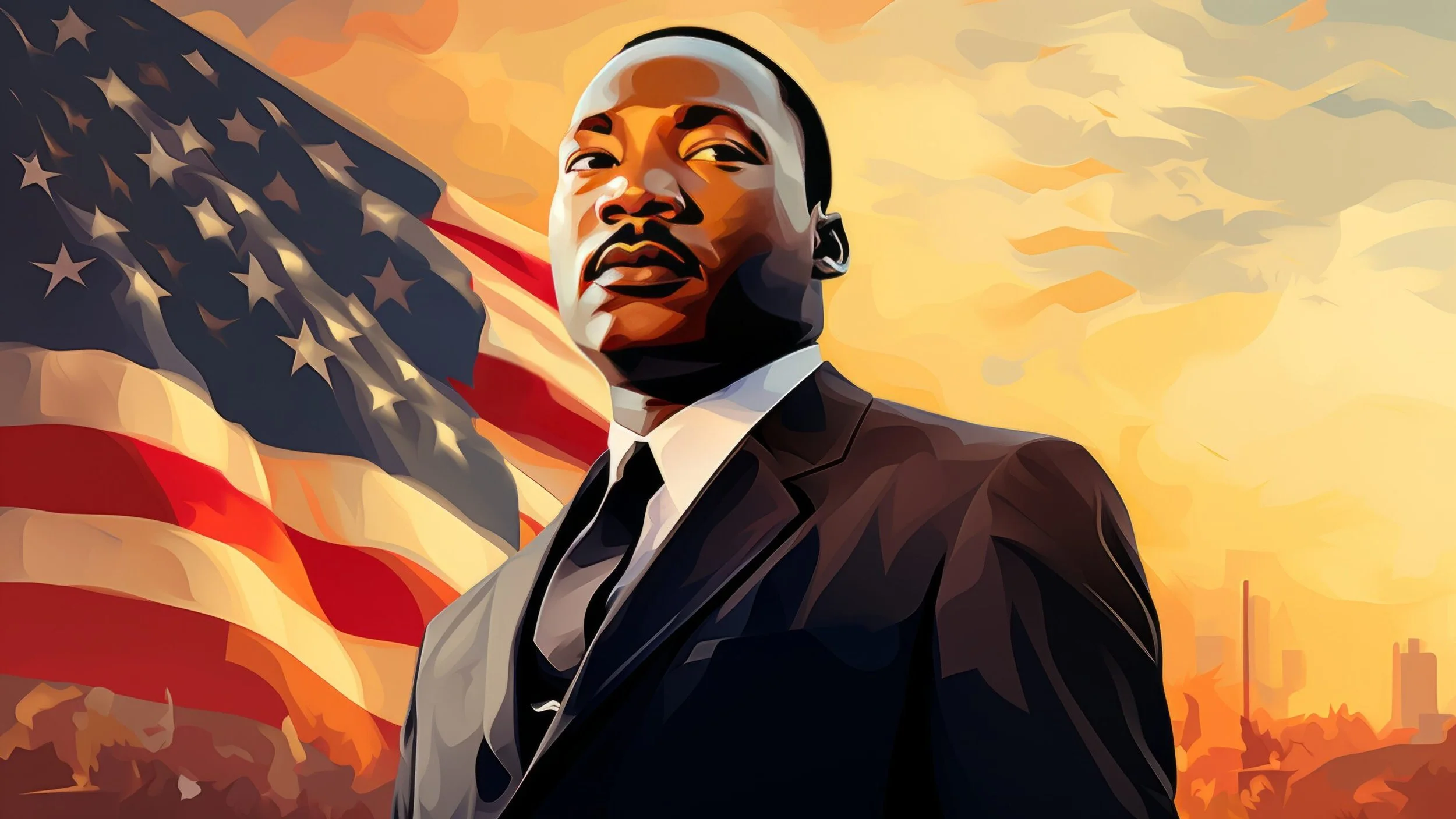

MLK Jr Day is a natural time to pause and reflect on the state of the world…
How far have we come? How far do we have to go? What would Dr. King think if he could see things now?
As I ask these questions, I can’t help but focus on how people of color are wildly underserved in twice-exceptional education, gifted education, and the broader neurodiverse community.
Why? I ask myself.
An answer: profiling and societal expectations.
These expectations are grounded in harmful stereotypes that cause some serious collateral damage. More than just these students of color are casualties of this phenomenon. They prevent everyone from having more representative and equitable programs.
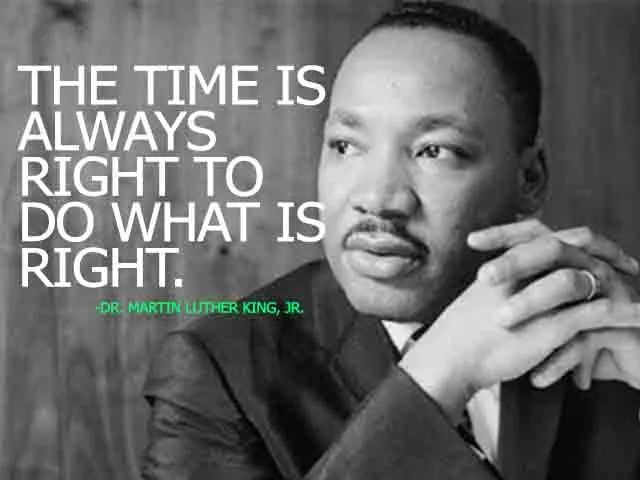
After all, it’s been proven that more diversity in everywhere from the classroom to the boardroom yields better learning, dialogue, growth, business, products, and society.
So where is the breakdown?
Identification of and support/accommodations for students, of course!
The sad truth is that a distracted white, cis-gendered, male student who is struggling in the classroom will more likely be flagged and tested for learning differences than a young black boy who might have a similar profile. The former will more likely receive accommodations and the latter will more likely be labeled as “problematic” and get shuffled into the disciplinary system as a “troublemaker”.
The sad reality is that many of the best and brightest 2e kids of color end up in the disciplinary system in school and then in the prison system once they’re out of school. Their crime, not being understood or stimulated by remedial classes… The worst part, once they’re in the system, they stay in the system.
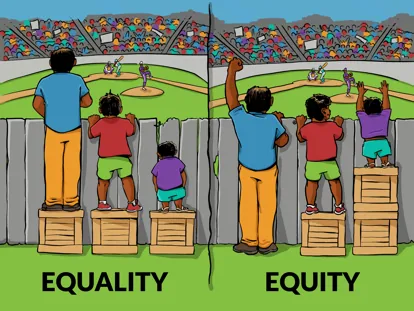
How do we remedy this?
There are many answers to this question and most are colossal undertakings that can cause apathy in would-be agents of change. If you’re like me, you may want something actionable that is less overwhelming.
✅If you know a student who you suspect is neurodiverse, see if you can connect the family to great resources and professionals who can help them get tested.
✅If testing isn’t an option, perhaps students can take a strength assessment and share the results with their teachers. This can help teachers see what a student CAN do, as opposed to only seeing that do not do.
✅If you know some neuropsychologists who “get it” and are incredibly talented, reach out to them and ask if they are open to doing some work to support the cause reach out to more communities of color.
✅Bring in more neurodiverse speakers of color and have them share their stories with students in schools so that these kiddos can develop a sense of confidence knowing there are successful people out there who look just like them and have overcome the very challenges they are facing right now.
✅To effect even bigger change, see if you can bring great educators and professionals into schools that you’re affiliated with and have them lead professional developments with the educators who are on the front line. This might allow these educators to screen these students differently and have more empathy and compassion and understanding.
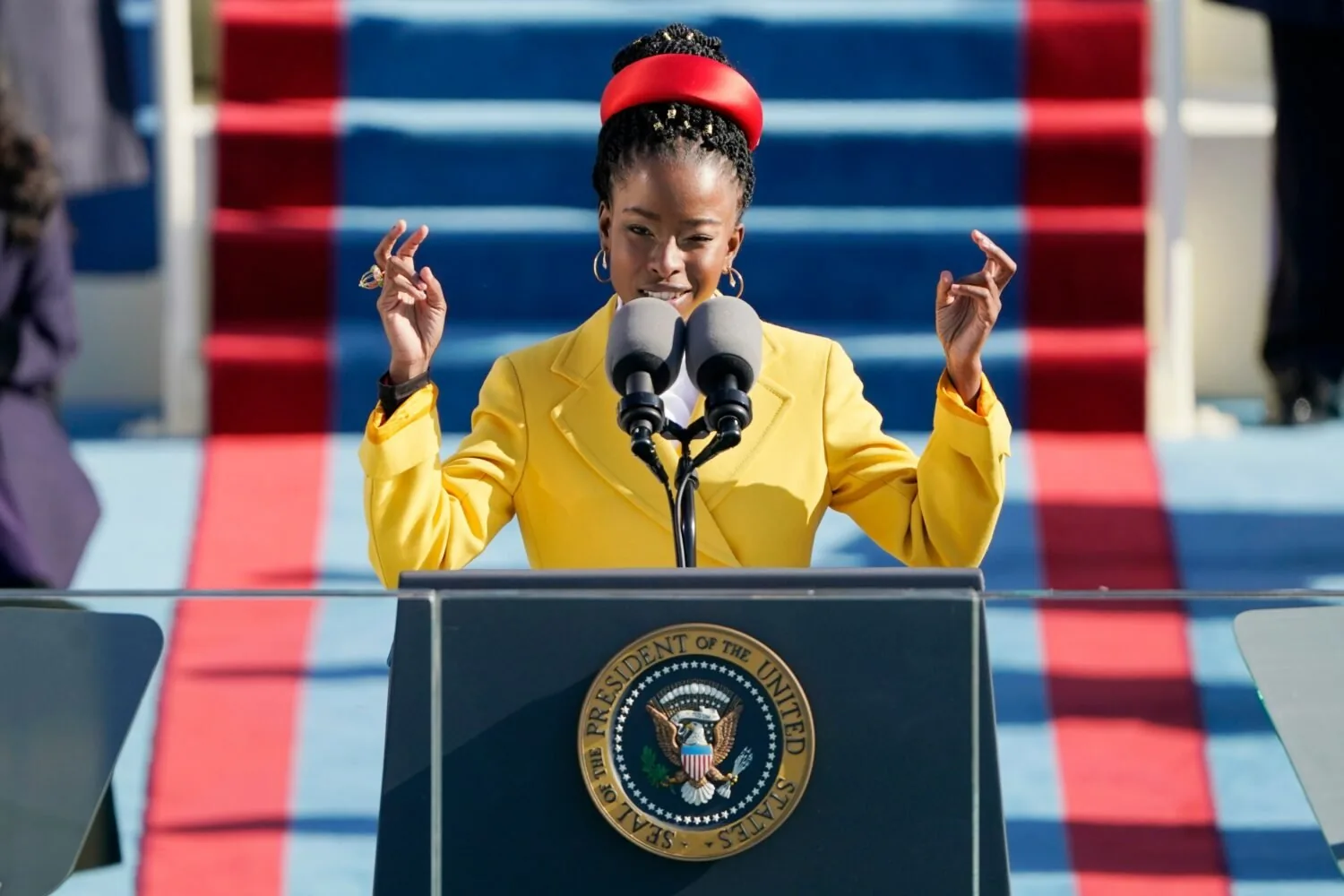
Imagine a world in which giftedness and talented black and brown voices—like that of poet laureate Amanda Gorman—were discovered, nourished, and developed!
These are just a few of the actions that we can start taking today to realize Dr. King’s dream.
What’s the point of education, anyway? Dr. King once said:
“Education without morals is like a ship without a compass, merely wandering nowhere. It is not enough to have the power of concentration, but we must have worthy objectives upon which to concentrate. It is not enough to know truth, but we must love truth and sacrifice for it.”
-MLK Jr., 1946
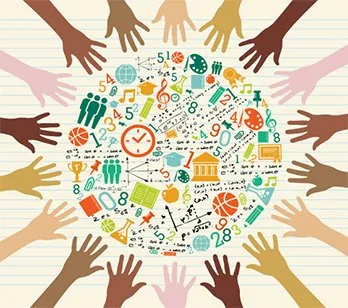
Equitable, strength-based, talent-focused education must be a part of Dr. King’s modern dream. We must all do what we can to make sure we have this moral education.
Young Scholars Academy is dedicated to supporting bright, gifted, twice-exceptional students of color.
We are offering financial aid to ensure access to the life-changing education these students deserve. If you know a family or are a family with a bright, differently-wired student of color and would like to learn more, please email us at support@youngscholarsacademy.org
Together, let’s realize Dr. King’s dream for a more just and equitable future.
Comment below with your biggest takeaway or question:
About Young Scholars Academy
Young Scholars Academy is a WASC-accredited virtual learning community offering 200+ live online courses and camps for gifted or 2e children ages 5–18, in classes of 6–8 students, led by neurodivergent mentors. Young Scholars Academy currently serves 1,200+ families across 47+ states and 17 countries, with a 93% semester-over-semester re-enrollment rate. ESA funding is accepted in 10+ states.
Explore Fall CoursesYou don't have to figure this out alone.
Right now, a kid who thinks like your kid is in a class they chose, with a mentor who was once just like them, surrounded by friends who don't think they're weird... they think they're interesting.
200+ courses for kids who think differently.
Live online. Classes of 6–8. Mentors who were these kids. WASC accredited.
Explore Fall CoursesTrusted by families like yours
1,200+ families across 47+ states. 93% re-enroll.
They found their people here. So can your child.
Explore Fall CoursesRecommended for readers of Neurodiversity
Find a neurodiversity class that fits your child.
Small groups of 6–8, led by mentors who get how your kid thinks.
Explore Fall Courses5 Signs Your Gifted or 2e Child Is Being Under-Served
A free, practical guide — plus early invites to expert talks, AMAs, and new course launches.
No spam. Unsubscribe anytime.
You're in! Check your inbox for the guide. ✨
You're already in the village
Here's what's open right now.
Live online. Classes of 6–8. Mentors who were these kids. WASC accredited.
Explore Fall Courses