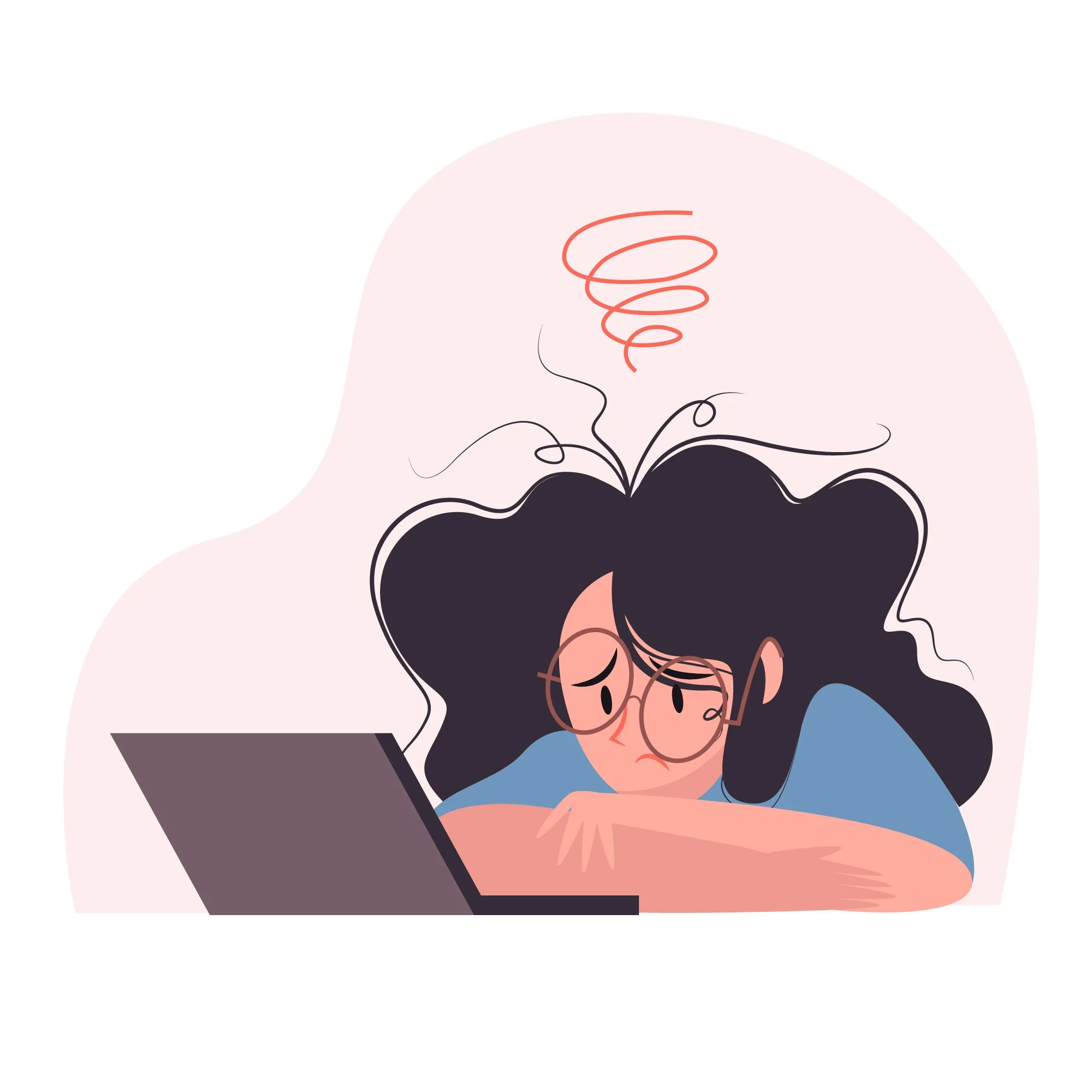
Letting Go: Parenting 2e Kids With Freedom, Flexibility, and Autonomy
A reflection on letting go and giving 2e kids the freedom, flexibility, and autonomy to grow at their own asynchronous pace.
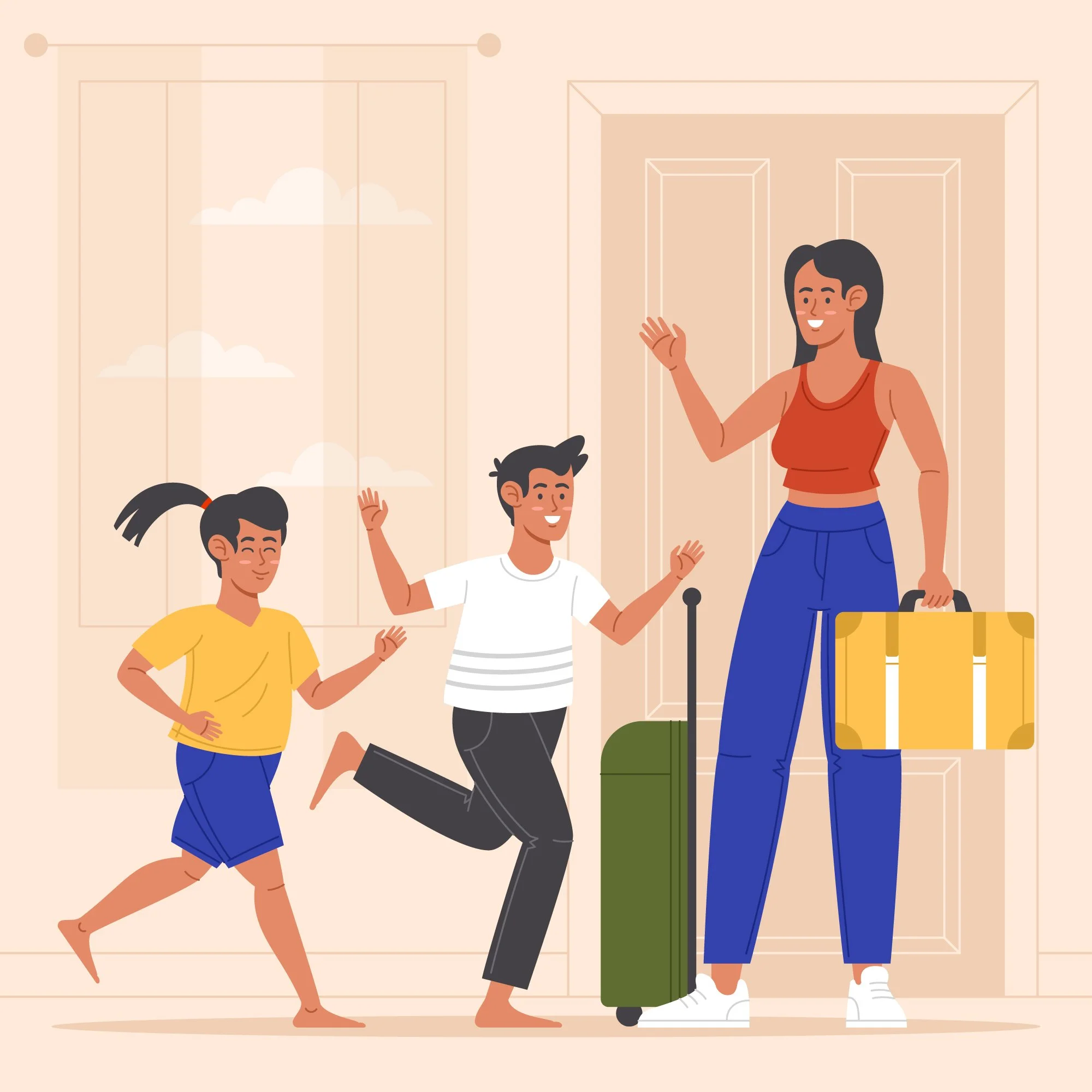
Parenting is amazing and wonderful and hard. It is almost never what we think it will be. Having neurodivergent kids can make the journey even more adventurous because there are few guideposts for their spikey profiles. The social scripting that we were given by our families almost never fits our kids. Our 2e children often meet growth metrics in very different ways. They can be light years ahead in some places, and seemingly behind in others. They are asynchronous with the world around them, and as parents, we have to develop asynchronous support strategies.
This asynchronicity often means that our children grow up in different ways from their peers of the same age. You may have a 12 year old that can do calculus, but can’t tie their shoes. Or perhaps you have a 6 year old going through an existential crisis about the sun blowing up, but they still need their favorite stuffed unicorn at night. Few parenting books talk about the need for acceleration while also talking about supporting developing executive function skills.
Recently, my children have been growing up. Ok, I realize that they have been growing up all along, but I am struck by just HOW MUCH they have grown. One of my children is 6 inches taller than me, and the other two are quickly gaining.
When did I start looking up to my kids?
We’ve started having way more conversations about the gray areas of morality. The best compliment I got all week was from one of my kids who told me that I was “the most interesting person they know” – and it was interesting good, not interesting bad. We’re talking about colleges now. We’re talking about futures and life goals. It’s been exciting and wonderfully scary.
It’s also really hard to let go. I imagine our children’s lives as a glass orb that we hold in our hand. It is delicate and fragile, and it’s one of the most important things we’ve ever held. Letting go means giving this orb to our children to hold and trusting that we have given them enough knowledge and training to hold their lives in their hands. It can be really scary.
I am a firm believer in a child’s right to autonomy – but I find that I often fall back into thinking that my children’s lives are mine to take care of and hold forever, just because I have been doing it for so long. One of my children recently told me I “care too much” about their homework. That it is THEIR homework, their grade. They get to decide if they want to spend energy on a piece of homework, or if they want to spend their energy elsewhere. My child respectfully and kindly asked me to let his homework go. So, I did. We made a deal that as long as their grade stays above a “C” (our agreed-upon threshold), I will no longer initiate conversations about homework. One child told me I needed to stop setting up playdates for them, and nobody calls them “playdates” any more, mom. I needed to hand over these pieces of my childrens’ autonomy back to them. They are ready to hold them now.
This process has led me to look at all the places where maybe I’m not really supporting my kids anymore, but rather just holding onto things because it’s what I’ve always done. In some ways, I’ve found that I’m inserting myself into my kids’ lives, rather than letting them ask me to be there. I sometimes plate my childrens’ meals rather than letting them serve themselves. I’m signing them up for classes or assuming they will do something just because I’ve done it before. I’m not letting them fail, even though I believe that failure is one of life’s best teachers. By doing these things, my intentions of support are turning into methods of helplessness. It’s so, so hard to let this go.
I think so many of us have felt like we were in the trenches, fighting desperately for inclusion and acceptance, for acceleration or for scaffolding. Some of us have been supporting children through critical mental health crises, or we have been navigating complicated health journeys. We have children who have nearly been broken by broken systems, and the thought of letting go is the antithesis of everything we hold dear. Letting go feels like giving up.
I want to be clear: letting go does not equal feeding your kids to the wolves. Letting kids grow up is not the same thing as forcing them to adhere to a set growth pattern. It is ok too if your teenager still sleeps with a stuffy or a blanket. It’s ok if your young adult STILL doesn’t tie their shoes. It’s ok if your young reader needs accommodations for spelling and handwriting, because growing up asynchronously means letting go asynchronously too.
There will be a moment when your child does the laundry without asking. When they buy their own shoes so it doesn’t matter if they tie or not. When they are laughing and hanging out with friends more. When they are asking for harder classes. When they tell you to stop cutting their chicken. When they try, and fail, but then try again.
Our children are growing up, and it’s amazing and wonderful and hard.
As parents, we need practice too. We need to practice letting go, because we will fail sometimes. We are just growing up, and it’s amazing and wonderful and hard.
YSA has been growing up too! We’ve been making changes to the way we serve and support you.
Input your email below to make sure get our new newsletter!
As we grow our virtual village, we hope to bring you even more great speakers and classes.
About Young Scholars Academy
Young Scholars Academy is a WASC-accredited virtual learning community offering 200+ live online courses and camps for gifted or 2e children ages 5–18, in classes of 6–8 students, led by neurodivergent mentors. Young Scholars Academy currently serves 1,200+ families across 47+ states and 17 countries, with a 93% semester-over-semester re-enrollment rate. ESA funding is accepted in 10+ states.
Explore Fall CoursesYou don't have to figure this out alone.
Right now, a kid who thinks like your kid is in a class they chose, with a mentor who was once just like them, surrounded by friends who don't think they're weird... they think they're interesting.
200+ courses for kids who think differently.
Live online. Classes of 6–8. Mentors who were these kids. WASC accredited.
Explore Fall CoursesTrusted by families like yours
1,200+ families across 47+ states. 93% re-enroll.
They found their people here. So can your child.
Explore Fall CoursesRecommended for readers of Parent Support
Find a parent support class that fits your child.
Small groups of 6–8, led by mentors who get how your kid thinks.
Explore Fall Courses5 Signs Your Gifted or 2e Child Is Being Under-Served
A free, practical guide — plus early invites to expert talks, AMAs, and new course launches.
No spam. Unsubscribe anytime.
You're in! Check your inbox for the guide. ✨
You're already in the village
Here's what's open right now.
Live online. Classes of 6–8. Mentors who were these kids. WASC accredited.
Explore Fall Courses