My Gifted Child Has No Friends: What to Do When Your Gifted or 2e Kid Is Socially Isolated
If your gifted or 2e child has no friends, you're not alone and it's not their fault. Here's why it happens and what actually helps. From Young Scholars Academy.

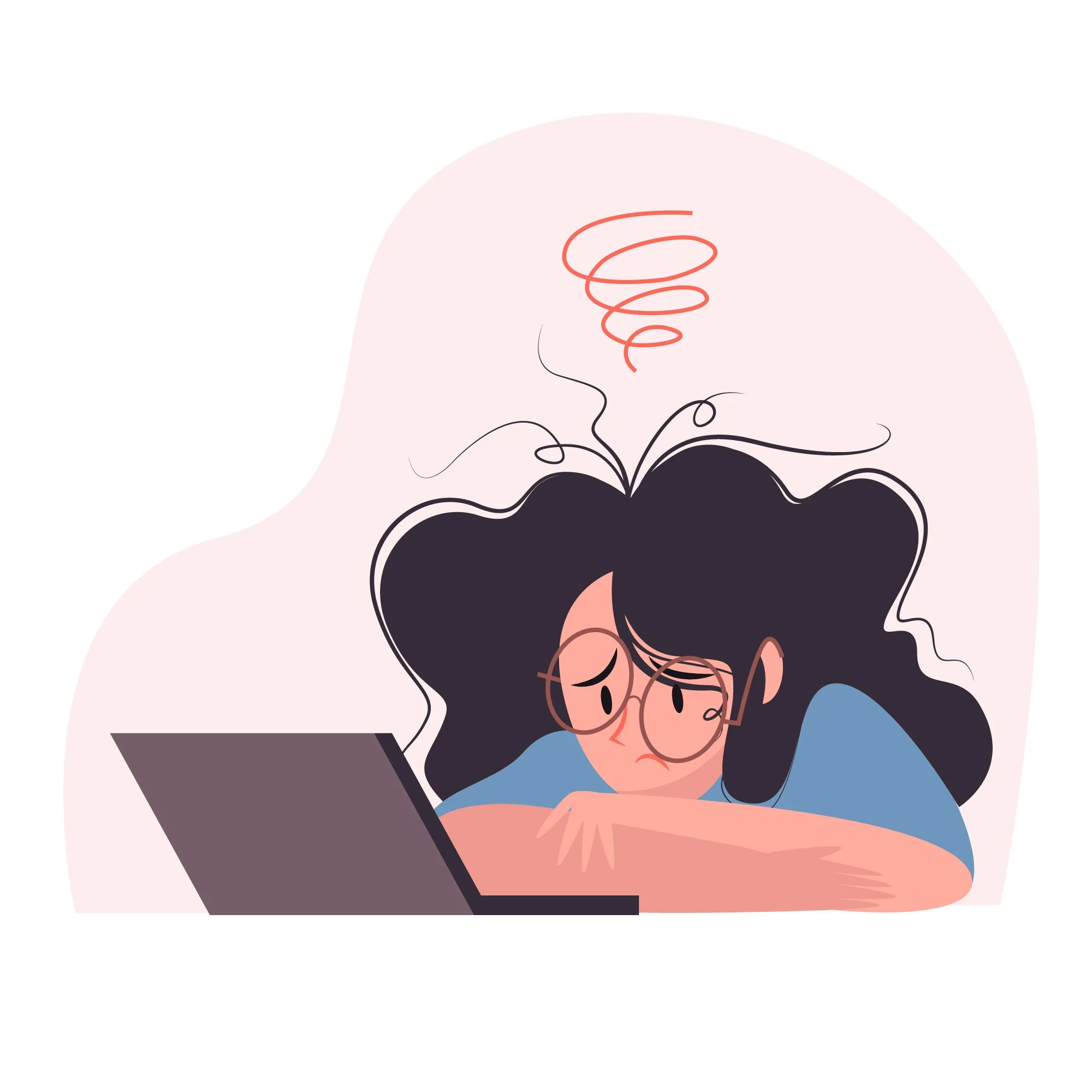
Your child is being unusually quiet. The kind of quiet that tells you something happened.
“Nobody likes me,” they say.
You’ve tried birthday parties with no RSVPs, social skills groups that seemed to increase their anxiety, and playdates that left everyone drained instead of connected. You’ve watched them eat lunch alone while other kids cluster together, laughing. You’ve scrolled through parent Facebook groups at night, wondering if you’re the only one whose child can’t seem to make friends. You’re not. And before anything else, this is important to understand: this is not necessarily a parenting failure or a deficit in your child. Sometimes, it’s a mismatch between the child and the environment around them. Why Are So Many Gifted and 2e Kids Socially Isolated? Sometimes the issue isn’t that your child can’t make friends. It’s that they’re in the wrong room.
Gifted and twice-exceptional children experience what researchers call asynchronous development. Your ten year old child’s intellectual mind might be operating at age 15, processing complex ideas about philosophy or engineering or quantum physics. But their emotional regulation, their comfort with ambiguity, their need for clear social rules? That might be more like an 8-year-old’s.
Now place that ten-year-old child in a classroom with 25 peers whose conversations and social dynamics revolve around interests and cues that feel natural to them. Those classmates may not understand what it feels like to become overwhelmed by noise, lights, or constant social demands. Meanwhile, your child may struggle to connect because they are operating on a very different wavelength intellectually, emotionally, or both.
“Kids intersect at their interests,” says Sam Young, founder of Young Scholars Academy and Fulbright Scholar. “When you put people who are passionate about the same thing together, they often become friends.”
But a typical school doesn’t put kids together based on what they’re passionate about. It puts them together based on their birthday.
This is why a 10-year-old who is reading complex textbooks for fun feels utterly alone in a traditional classroom full of peers.
The issue is not the child’s ability to connect. It is the mismatch between the child and the environment around them. The Social Skills Trap: Why Traditional Programs Often Backfire If you’ve ever taken your child to a social skills group, you may recognize this feeling. You invest time, money, and hope into the experience, only to find your child coming home feeling more discouraged or self-conscious than before.
Here’s why certain groups backfire: they’re teaching compliance, not connection.
A typical social skills intervention tells your child: “Make eye contact. Don’t talk about dinosaurs so much. Smile more. Ask other people about themselves.” These are good intentions. But what your child hears is: “Here’s how to be less like yourself.”
And for a gifted or neurodivergent child? That’s exhausting. That’s masking. Masking vs. Code-Switching: The Critical Difference
Masking means hiding your authentic self to fit in. You pretend to care about things you don’t. You suppress your excitement about your interests. You force eye contact even though it feels like staring into the sun. Masking depletes you. It’s unsustainable. And kids who mask often end up more anxious and isolated, because even when they succeed in “fitting in,” they’re not actually connecting as themselves.
Code-switching means adapting your communication style while staying true to who you are. You might talk about different things with different people, or adjust your volume or pace, but you’re not abandoning yourself. You’re translating yourself. Code-switching is empowering and sustainable because you’re still present.
Your gifted child will likely need to learn some code-switching skills. But social skills groups that focus on correcting behavior, rather than building genuine connection? Those inadvertently teach masking. And masking is what leads to anxiety, depression, and deeper isolation.
What your child needs instead is this: an environment where they don’t have to mask at all. What Actually Works: The Two-Axis Framework for Social Success Sam Young developed a framework that perfectly explains why some social environments work for gifted and 2e kids, and why others fail spectacularly.
Picture two axes:
The X-axis: Kids like your kid. Intellectual peers who share their interests and their intensity. Kids who get excited about the same things. Kids who think highly original thoughts.
The Y-axis: An adult your child can recognize themselves in. Not another parent, but a mentor. Someone who can say, “I’m autistic, and here’s what has worked for me,” or “I have ADHD too. Let me tell you how I learned to organize my thoughts.” Someone who models what a thriving, adult version of your child could look like.
When you have both axes? That’s where friendships happen.
“Connection is not a skill to be corrected,” Sam says. “It’s something that often happens naturally when kids are finally in the right environment.”
Your child doesn’t need to be fixed. They need to be placed. They need peers. They need mentors. They need permission to be exactly who they are. The Virtual Village: Online Community as Legitimate Social Space Online spaces can sometimes offer better social environments for gifted and twice-exceptional kids.
Why? Because online, the playing field is different. There’s no hierarchy based on who’s taller or faster or more athletic. There are no fluorescent lights causing sensory overload. There’s time to think before you respond. You can step away and regulate and come back. And crucially, you can gather around interests rather than age.
At Young Scholars Academy, for example, students don’t just attend classes. They move through a virtual village campus where kids hang out between classes, eat lunch together, and build friendships. The virtual village is where friendships can form. They are not forced, but emerge through shared learning, genuine interaction, and time together.
This isn’t a substitute for in-person friendships. But for many gifted and 2e kids, it’s the bridge that leads there. When kids finally find their people and experience what genuine connection feels like, they gain confidence. They learn what friendship actually is. Not the performance of friendship but the real thing. And that can make a meaningful difference for a uniquely wired person.
Many families find that when they stack 3+ courses or summer camps, their child unlocks the full village experience, and that’s often when long-lasting friendships form. The compounding effect of repeated interactions with the same intellectual peers is powerful. Interest-Based Connection: Be a Detective, Not a Judge When was the last time your child’s eyes lit up? What were they talking about? What could they discuss for hours without getting bored or losing focus?
That’s your clue.
“Be a detective, not a judge,” Sam Young advises parents. “What lights your child up? Where are they most engaged?”
Too often, parents see their child’s intense interests as obstacles to friendship. If they would just stop talking about anime for five seconds. If they would just care about what other kids care about. But what if the passionate interests aren’t the problem? What if they’re the solution?
Look for communities (in-person or online) built around those interests. Not because you’re trying to “trick” your child into socializing, but because that’s where other kids who think like your child will naturally gather.
A gifted kid obsessed with marine biology likely isn’t going to connect with others at a random recess. But put them in a small group class on ocean ecosystems with six other kids who are equally obsessed? Suddenly there’s something to talk about. Suddenly there’s connection.
Intense interests aren’t distractions from friendship. They’re the pathways to it. Practical Steps You Can Take Right Now
- Audit your child’s current social environment. Is it built around chronological age, or around interests and intellectual level? Is your child surrounded by kids who think differently than they do? If yes, that’s your first problem to solve. Not by “fixing” your child, but by changing the environment.
- Seek out small-group, interest-based communities. Look for classes, clubs, camps, or online communities built around what your child is passionate about. Small groups (under 10 kids) are crucial. Large group settings often overwhelm gifted and 2e kids. The sweet spot is 4-8 students where real connection can happen without the social performance required in larger groups.
- Find a mentor who “gets it.” This could be a tutor, a coach, an online instructor—someone who is neurodivergent themselves or deeply knowledgeable about neurodiversity. This is the Y-axis. Your child needs to see what they can become. A mentor who can normalize their experience and model a thriving life as a neurodivergent adult is invaluable.
- Stack opportunities. When kids participate in multiple small-group experiences with the same community, they have more chances to form genuine connections. At Young Scholars Academy, for example, when families stack 3+ courses or summer camps, that’s often when long-lasting friendships form. Compounding interactions create deeper bonds.
- Let go of “normal” social skills training. If you’re spending energy trying to teach your child to make eye contact or talk about more “normal” topics, redirect that energy instead toward finding the right environment. This Won’t Last Forever Your child eating lunch alone today is not your child’s future. The isolation they feel right now is not permanent. It’s context-dependent.
This is what the parents who find the right environment discover: their “socially awkward” child isn’t socially awkward when they’re in a room with intellectual peers and mentors who understand them.
Your child can have deep, meaningful friendships. Real ones. Not friendships built on masking or performing. Real friendships where they’re known and valued for exactly who they are.
But that’s only going to happen if you’re willing to look past traditional spaces and ask: where does my child belong?
That’s your job right now. Not to fix your child. But to be a detective. To notice what lights them up. To find their people. To create an environment where connection happens naturally. See It for Yourself — Live Everything this post describes — intellectual peers who share your child’s intensity, and mentors who understand neurodivergence from the inside — comes to life in one place on July 15th.
About Young Scholars Academy
Young Scholars Academy is a WASC-accredited virtual learning community offering 200+ live online courses and camps for gifted or 2e children ages 5–18, in classes of 6–8 students, led by neurodivergent mentors. Young Scholars Academy currently serves 1,200+ families across 47+ states and 17 countries, with a 93% semester-over-semester re-enrollment rate. ESA funding is accepted in 10+ states.
Explore Fall CoursesYou don't have to figure this out alone.
Right now, a kid who thinks like your kid is in a class they chose, with a mentor who was once just like them, surrounded by friends who don't think they're weird... they think they're interesting.
200+ courses for kids who think differently.
Live online. Classes of 6–8. Mentors who were these kids. WASC accredited.
Explore Fall CoursesTrusted by families like yours
1,200+ families across 47+ states. 93% re-enroll.
They found their people here. So can your child.
Explore Fall CoursesRecommended for readers of Parent Support
Find a parent support class that fits your child.
Small groups of 6–8, led by mentors who get how your kid thinks.
Explore Fall Courses5 Signs Your Gifted or 2e Child Is Being Under-Served
A free, practical guide — plus early invites to expert talks, AMAs, and new course launches.
No spam. Unsubscribe anytime.
You're in! Check your inbox for the guide. ✨
You're already in the village
Here's what's open right now.
Live online. Classes of 6–8. Mentors who were these kids. WASC accredited.
Explore Fall Courses