My Homeschooled Kid Is Still Lonely. I Thought Park Days Would Fix That.
Park days and co-ops, and your gifted homeschooler still feels alone? Why recess isn't enough, and how to help them find kids on their wavelength.
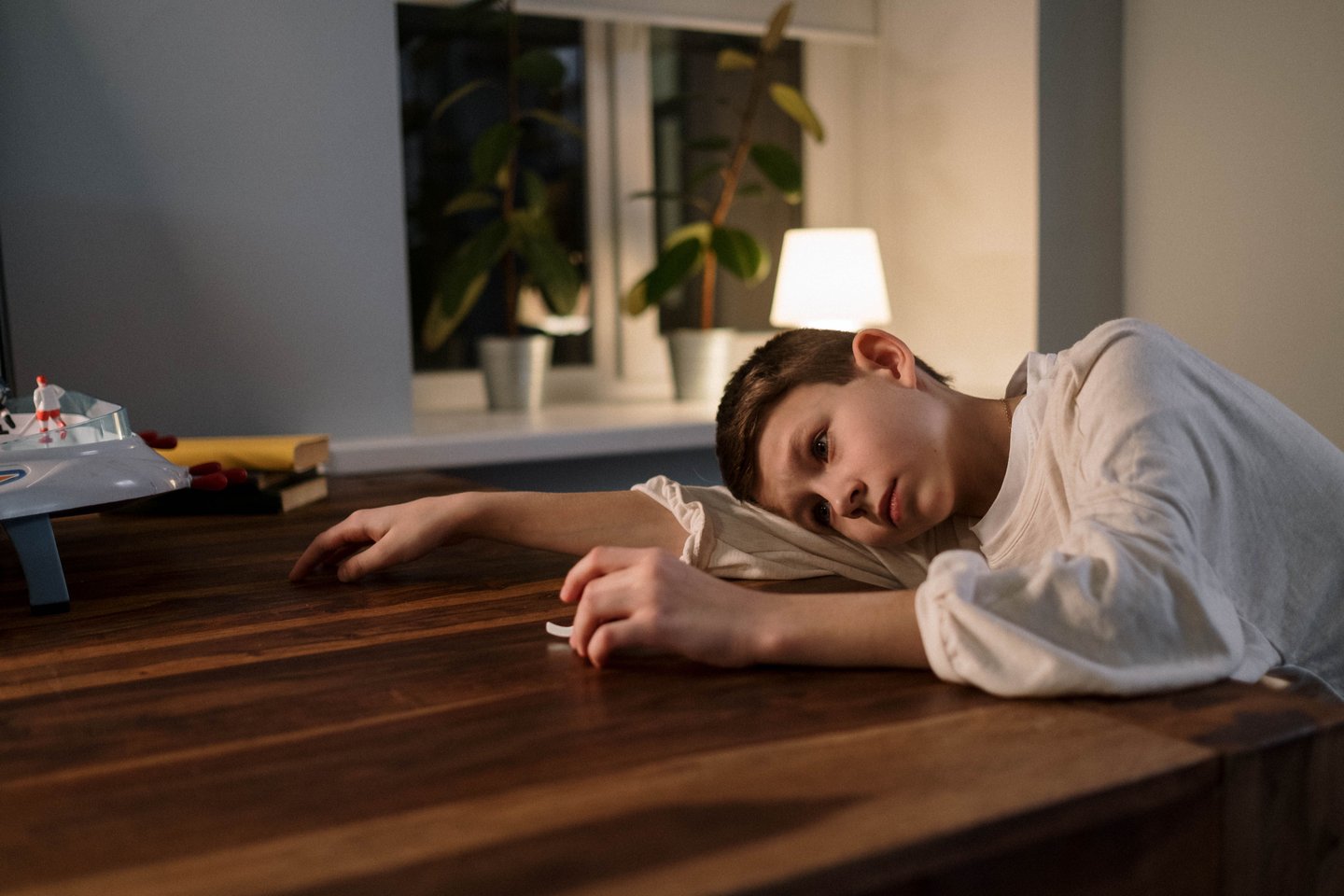
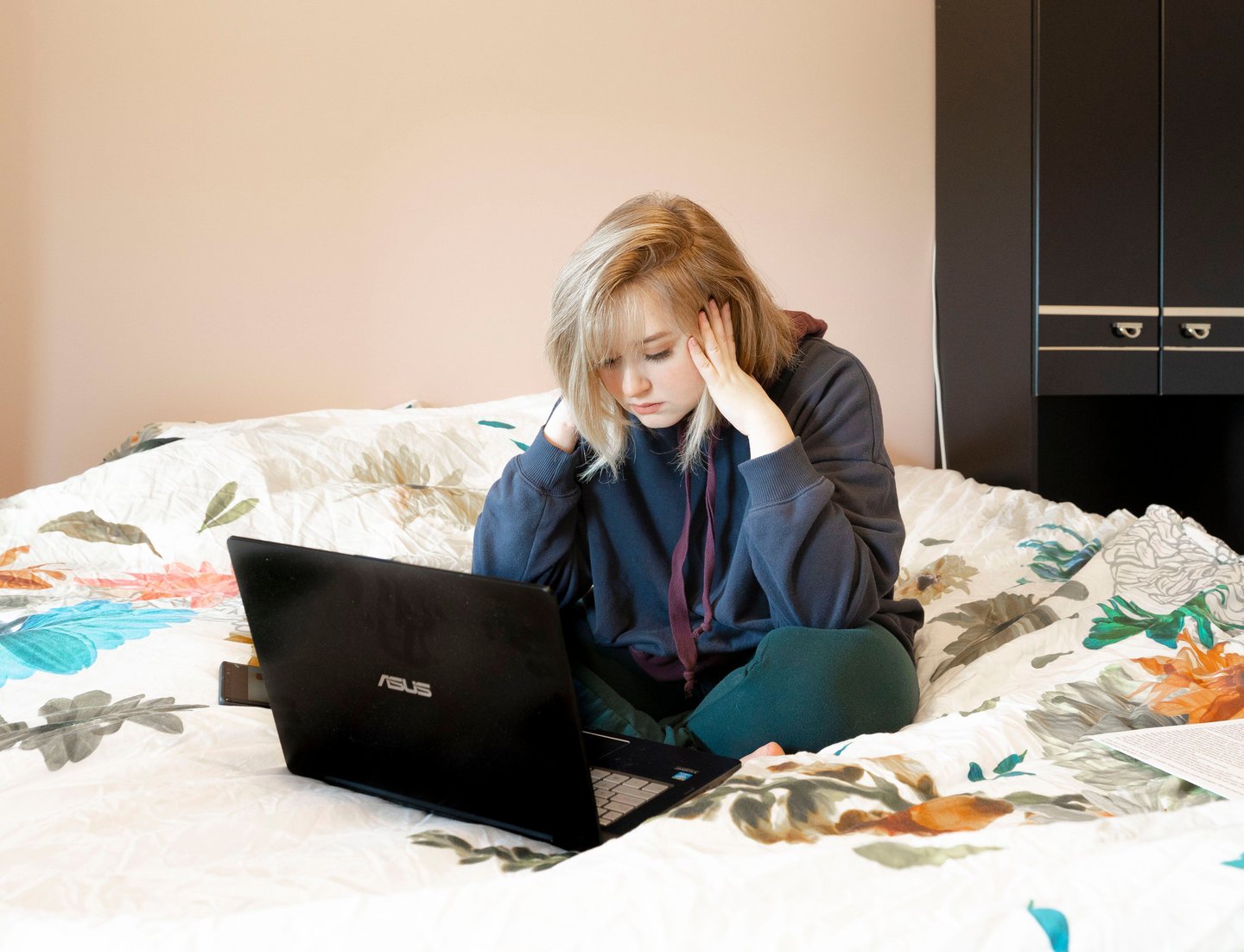
A mom said something to me this week that I’ve heard a dozen ways. Her son has park meetups, two library groups, a cooking class and sports. He’s around other kids all the time. And he still told her, “I’m the only one doing this.”
Here’s what I told her. Being around kids and being with your people are two different things. Gifted or 2e homeschoolers usually get plenty of the first and very little of the second. The fix isn’t more playdates. It’s regular time in small groups built around a shared, specific interest, with kids who think the way your kid thinks and adults who get them.
Why is my kid lonely when we’re always out with other kids?
That mom put it better than I can: most of those activities are recess. Recess is great. Kids need to run around. But a lot of our kids are looking for something else. They want someone who will delve into Ancient Egypt for 40 minutes without changing the subject. They want to toss out a strange fact and have someone toss one back.
When your kid says something to a neighbor and gets a blank “I don’t know what that means,” that’s not a social skills problem. It’s a wavelength problem.
Is it normal for my gifted kid to get along better with adults?
Very. I often say our kids have old brains and young bodies. Intellectually they crave complex topics, so they connect with older kids and adults. Emotionally and physically, they’re still their age. They want to be silly, play games and goof around with memes. The sweet spot is peers who match both halves: kids who can talk about black holes and then laugh about something ridiculous.
How do I find kids on my kid’s wavelength?
Follow the interest, not the zip code. Here’s what I’ve seen work:
- Pick specific over general. A general art class draws a general crowd. A class on mapmaking and worldbuilding draws the kid who has drawn maps all over his bedroom walls. Quirky, specific classes attract quirky, specific kids.
- Keep groups small. Shy or anxious kids rarely open up in a group of 25. In a group of five, they get a turn.
- Choose games that build social skills. I’ve called Dungeons and Dragons the greatest social skills class of all time. Kids work as a team, solve problems together, and practice pushing back, agreeing, persuading and being persuaded.
- Show up repeatedly. Friendships grow from seeing the same faces every week. When a kid shares several classes with the same few kids, the friendships deepen fast.
- Give them unstructured time too. Kids need time to hang out, not just learn together.
Can online friendships really count?
I get this question a lot. No one dreams of their kid making friends over Zoom. But the perfect microschool down the street isn’t real for most families. For many of our kids, the friend who gets them lives three states away.
Online friendships work best when they include free time, not just class time. At YSA we have a virtual campus that opens every day, supervised by a mentor. Kids walk around as little video game characters, and when they get near each other their cameras and mics fade on, like walking up to a friend on a playground. Some of those friendships leave the screen. One family flew across the country so two boys who’d taken classes together for two years could finally meet.
What about me? I’m lonely too.
This is the part almost nobody says out loud. Homeschooling a bright, quirky kid can be isolating for parents. Your friends’ kids are different from yours. Your family may not get it. One mom told me our parent group is her lifeline for exactly that reason.
Find parents a few steps ahead of you. You’ll get advice, and you’ll also get to talk to someone who doesn’t need the backstory.
Where does Young Scholars Academy fit?
I started YSA to solve two problems at once: bright kids with unique interests who weren’t being fed, and the loneliness that so often comes with it. Classes meet live with 6–8 students max, cameras are always optional, and they’re built around specific interests, from folklore to Model UN to Minecraft math. Homeschool families also get weekly social clubs, the virtual campus and a parent community.
Frequently asked questions
How much social time does a homeschooled gifted kid need?
Every kid is different. Look for at least some regular time each week with the same small group of like-minded kids, plus unstructured play.
My kid is introverted. Will a group class overwhelm them?
Small groups with a warm mentor usually feel very different from a big classroom. At YSA cameras are always optional, which helps kids warm up at their own pace.
Should my kid be with kids their age or older kids?
Often a mix works best. Many of our kids do well with slightly older peers in subjects they’re strong in, and with same-age peers for play.
Can online friends replace in-person friends?
They don’t have to replace anything. For many families, online friends fill the gap that local activities can’t: kids who share your child’s specific passions.
Help your kid find their people
If your homeschooler has plenty of playdates and still feels alone, book a short call with me. Tell me what your kid could talk about for an hour, and I’ll point you toward kids who’d love to listen.
Mr. Sam
About Young Scholars Academy
Young Scholars Academy is a WASC-accredited virtual learning community offering 200+ live online courses and camps for gifted or 2e children ages 5–18, in classes of 6–8 students, led by neurodivergent mentors. Young Scholars Academy currently serves 1,200+ families across 47+ states and 17 countries, with a 93% semester-over-semester re-enrollment rate. ESA funding is accepted in 10+ states.
Explore Fall CoursesYou don't have to figure this out alone.
Right now, a kid who thinks like your kid is in a class they chose, with a mentor who was once just like them, surrounded by friends who don't think they're weird... they think they're interesting.
200+ courses for kids who think differently.
Live online. Classes of 6–8. Mentors who were these kids. WASC accredited.
Explore Fall CoursesTrusted by families like yours
1,200+ families across 47+ states. 93% re-enroll.
They found their people here. So can your child.
Explore Fall CoursesRecommended for readers of Homeschooling
Find a homeschooling class that fits your child.
Small groups of 6–8, led by mentors who get how your kid thinks.
Explore Fall Courses5 Signs Your Gifted or 2e Child Is Being Under-Served
A free, practical guide — plus early invites to expert talks, AMAs, and new course launches.
No spam. Unsubscribe anytime.
You're in! Check your inbox for the guide. ✨
You're already in the village
Here's what's open right now.
Live online. Classes of 6–8. Mentors who were these kids. WASC accredited.
Explore Fall Courses