I Pulled My Kid Out of School. Now What?
Just pulled your gifted or 2e kid out of school? A founder's plain guide to the first weeks: rest, structure, real friends, and support for you.
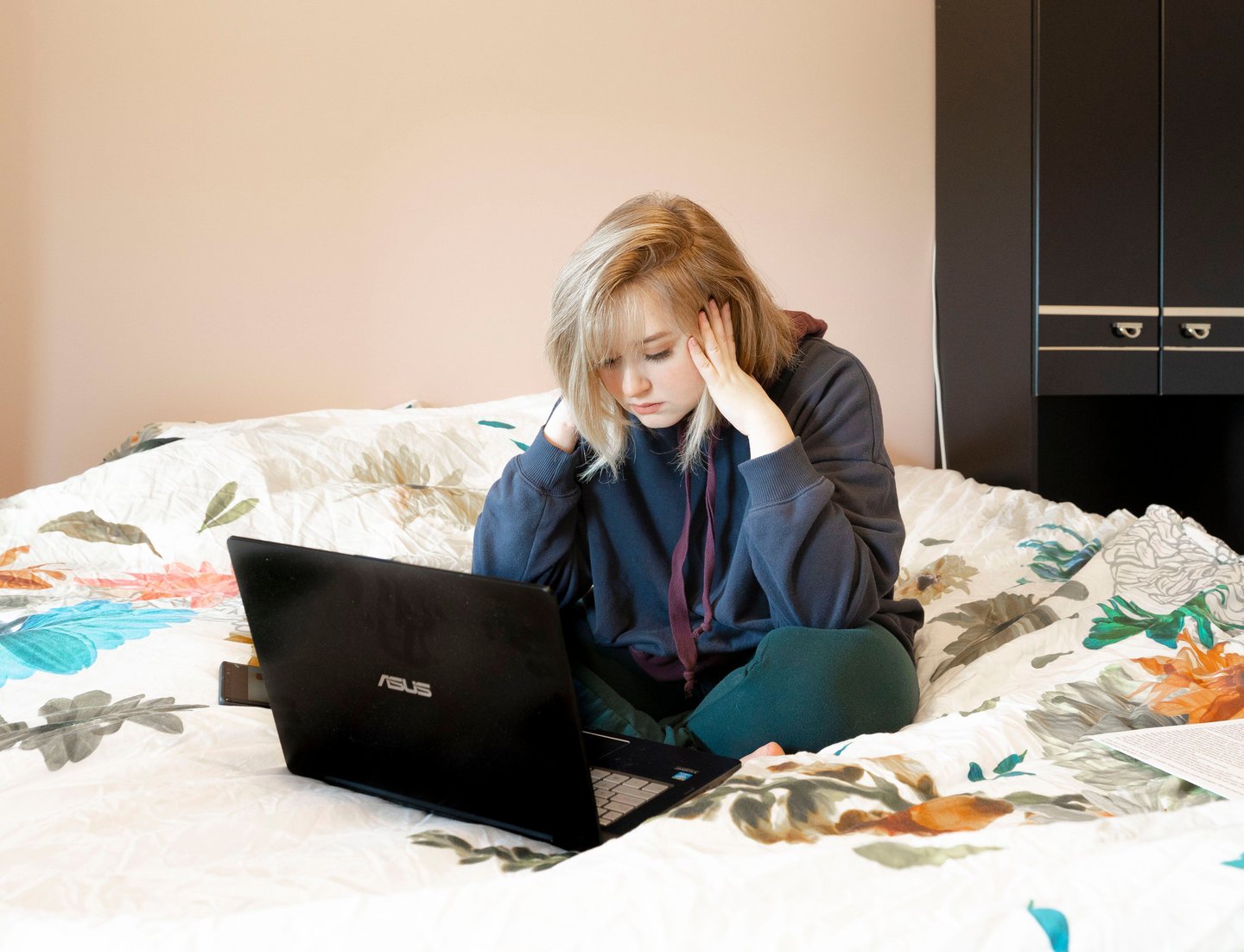
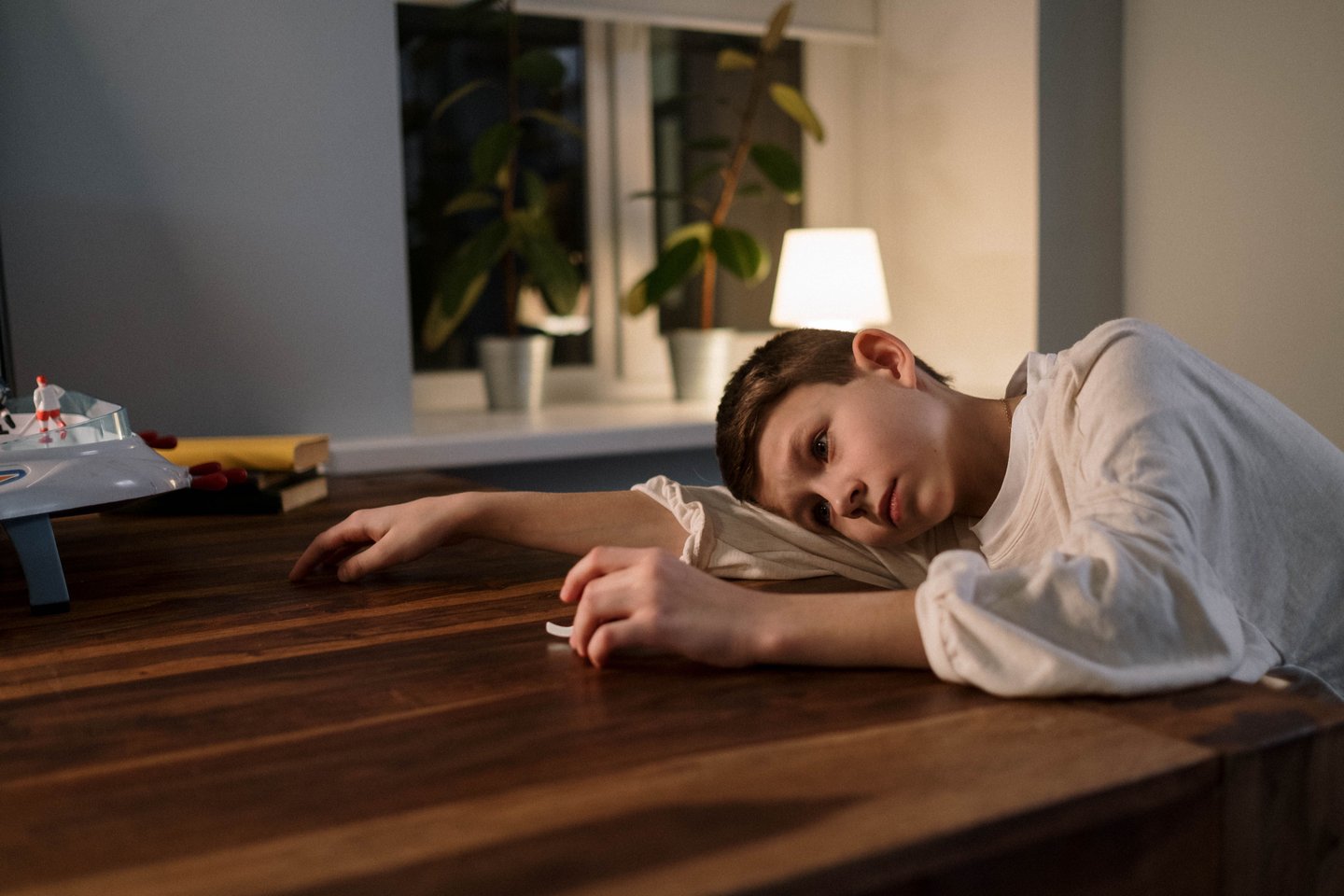
This month I’ve had the same phone call with family after family. A parent tells me they pulled their bright, quirky kid out of school a few weeks ago. They did it to protect a love of learning that was fading fast. And then, usually in a quieter voice: “I have no idea what I’m doing now.”
If that’s you, here’s my short answer. Don’t rebuild school at your kitchen table. Spend the first weeks helping your kid feel safe again. Then add a light, steady structure built around what they love, find them friends who think the way they do, and find support for yourself. Once those pieces are in place, covering the basics gets much easier. Here’s how I walk families through it.
Is it normal that I feel this overwhelmed?
Yes. Almost every parent I talk to right now is piecing things together: a coding class here, a science kit there, a co-op on Thursdays. They’re doing all of it while worrying they’re missing something big. Many tell me homeschooling was never a word they expected to use. Some are working full-time and lining up a tutor or sitter for the daytime hours.
Overwhelm doesn’t mean you made the wrong call. It means you took the obvious first step, and now you’re standing in the “now what?” Most families I talk to are standing right there with you.
What should I do in the first few weeks?
Think repair, not catch-up. A lot of families call this period deschooling. A kid who left school unhappy often needs time before they can learn well again. One mom told me her first half-year at home was mostly about rebuilding trust, with learning snuck in through field trips and fun. That’s not wasted time. That’s the foundation.
Here’s where I’d start:
- Lower the pressure. You don’t need a full curriculum by Monday. Make one change, watch how your kid responds, then make the next one.
- Ask what lights them up. My favorite question is this: if your kid had three free hours on a Saturday, what would they do? Documentaries instead of cartoons? Maps all over the bedroom walls? Minecraft, mythology, Legos? That answer is your starting curriculum.
- Watch for the glow. Years ago a mom in our community coined the phrase “the YSA glow.” Her point was simple: when her son got a couple of hours a day doing what he loved, he glowed for the next 24. That glow is your first sign things are working.
How do I add structure without recreating school at home?
“Structure” is the word parents reach for most once the dust settles. Kids do better with a predictable week, and parents sleep better knowing the basics are covered.
The trick is building the structure around strengths. I tell families to be flexible on the content but not on the skills. A kid who loves Minecraft can learn multiplication inside Minecraft. A kid who hates writing worksheets can learn to write by preparing a speech, because now the writing has a real audience. Our kids are too smart for busywork. They’ll work hard for something that matters to them.
A simple starting rhythm: a few interest-based classes at set times each week, one or two that cover a core subject in a fun way, and open time for projects, outings and rest.
Will my kid fall behind or end up with gaps?
This is the fear under most of the overwhelm. Parents want every door to stay open, for college or whatever comes next. Gaps are easier to manage than they feel at 11 p.m. Keep a light record of what your kid does each week. In many states the parent is the “school of record” and decides how activities count toward required subjects, so a mythology course or a history-heavy game design class can count toward what your state asks for. Check your own state’s rules. At YSA, families can get weekly class updates and an end-of-year transcript with grades, which makes the record-keeping a lot simpler.
My kid is home now, so why are they still lonely?
This one surprises people. Many families I talk to have park days, library meetups and sports. Their kids see other kids all week. And still the kid says, “I’m the only one doing this.” One mom put it perfectly: the meetups are recess. What her son was missing was kids on his wavelength, kids who want to delve into the same topic and don’t think his questions are weird. I often say our kids have old brains and young bodies. They crave big conversations, so a playground alone doesn’t fill that need.
I also talk about kids needing to look over and look up. Look over, and see other kids like them. Look up, and see adults like them. That’s how a kid figures out there’s nothing wrong with them. They just have a different brain.
Isn’t more screen time a bad idea?
It’s a fair worry. My answer is that not all screen time is created equal. A digital slot machine is very different from a live discussion class. Out in the real world you could walk into a casino or a classroom, and nobody says leaving the house is bad. Screens work the same way. Keep the screen time that connects your kid to people and ideas, and cut the rest.
Who is going to support me?
This is the piece new homeschool parents forget. Your kid needs a village, and so do you. There’s no guidebook for this, so the fastest shortcut is finding parents who are a few steps ahead of you: someone who started six months ago and someone who started six years ago. They’ve already spent hundreds of hours sorting through resources, so you don’t have to. A mom in our parent group recently told me it’s her lifeline, because nobody else in her life has kids like hers. You don’t have to go it alone.
Where does Young Scholars Academy fit?
I built YSA because I built what I was looking for, and what I needed. It’s a virtual enrichment village for gifted or 2e learners ages 5 to 18. Classes meet live with 6–8 students max, cameras are always optional, and our mentors are grown-up versions of our kids: bright, quirky adults who teach what they love. Kids also get a supervised virtual campus to hang out in and weekly social clubs, and parents get their own community. Some homeschool families take a few classes with us. Others build most of their week here. Many families use state ESA or charter funds if their state offers them.
Frequently asked questions
How long does deschooling take?
It depends on the kid. Watch your child, not the calendar. When curiosity starts coming back on its own, you’re ready to add more.
Do I have to sit next to my kid all day?
No. My goal is for parents to become a guide on the side. Some kids need help logging in the first week or two. Many families have a parent, tutor or sitter nearby, off camera, during the day.
My kid is a perfectionist and freezes up. Will group classes work?
Often, yes, if the class feels safe. Start with “me versus me” activities like Rubik’s Cubes or logic puzzles before head-to-head games like chess.
Can we start in the middle of the year?
At YSA, families can join during the year, and a new set of classes starts each January.
What if a class isn’t a fit?
We don’t do trial classes, but families can switch to another class or get a credit early on.
You don’t have to figure this out alone
If you’re home with a bright, quirky kid and a blank calendar, book a short call with me. Tell me what your kid would do with three free hours on a Saturday, and we’ll sketch a first week together.
Mr. Sam
About Young Scholars Academy
Young Scholars Academy is a WASC-accredited virtual learning community offering 200+ live online courses and camps for gifted or 2e children ages 5–18, in classes of 6–8 students, led by neurodivergent mentors. Young Scholars Academy currently serves 1,200+ families across 47+ states and 17 countries, with a 93% semester-over-semester re-enrollment rate. ESA funding is accepted in 10+ states.
Explore Fall CoursesYou don't have to figure this out alone.
Right now, a kid who thinks like your kid is in a class they chose, with a mentor who was once just like them, surrounded by friends who don't think they're weird... they think they're interesting.
200+ courses for kids who think differently.
Live online. Classes of 6–8. Mentors who were these kids. WASC accredited.
Explore Fall CoursesTrusted by families like yours
1,200+ families across 47+ states. 93% re-enroll.
They found their people here. So can your child.
Explore Fall CoursesRecommended for readers of Homeschooling
Find a homeschooling class that fits your child.
Small groups of 6–8, led by mentors who get how your kid thinks.
Explore Fall Courses5 Signs Your Gifted or 2e Child Is Being Under-Served
A free, practical guide — plus early invites to expert talks, AMAs, and new course launches.
No spam. Unsubscribe anytime.
You're in! Check your inbox for the guide. ✨
You're already in the village
Here's what's open right now.
Live online. Classes of 6–8. Mentors who were these kids. WASC accredited.
Explore Fall Courses