This Year Was Supposed to Be Different
It's October and school is falling apart again for your bright kid. What the slump means, what to try, and how to know when it's time for a change.
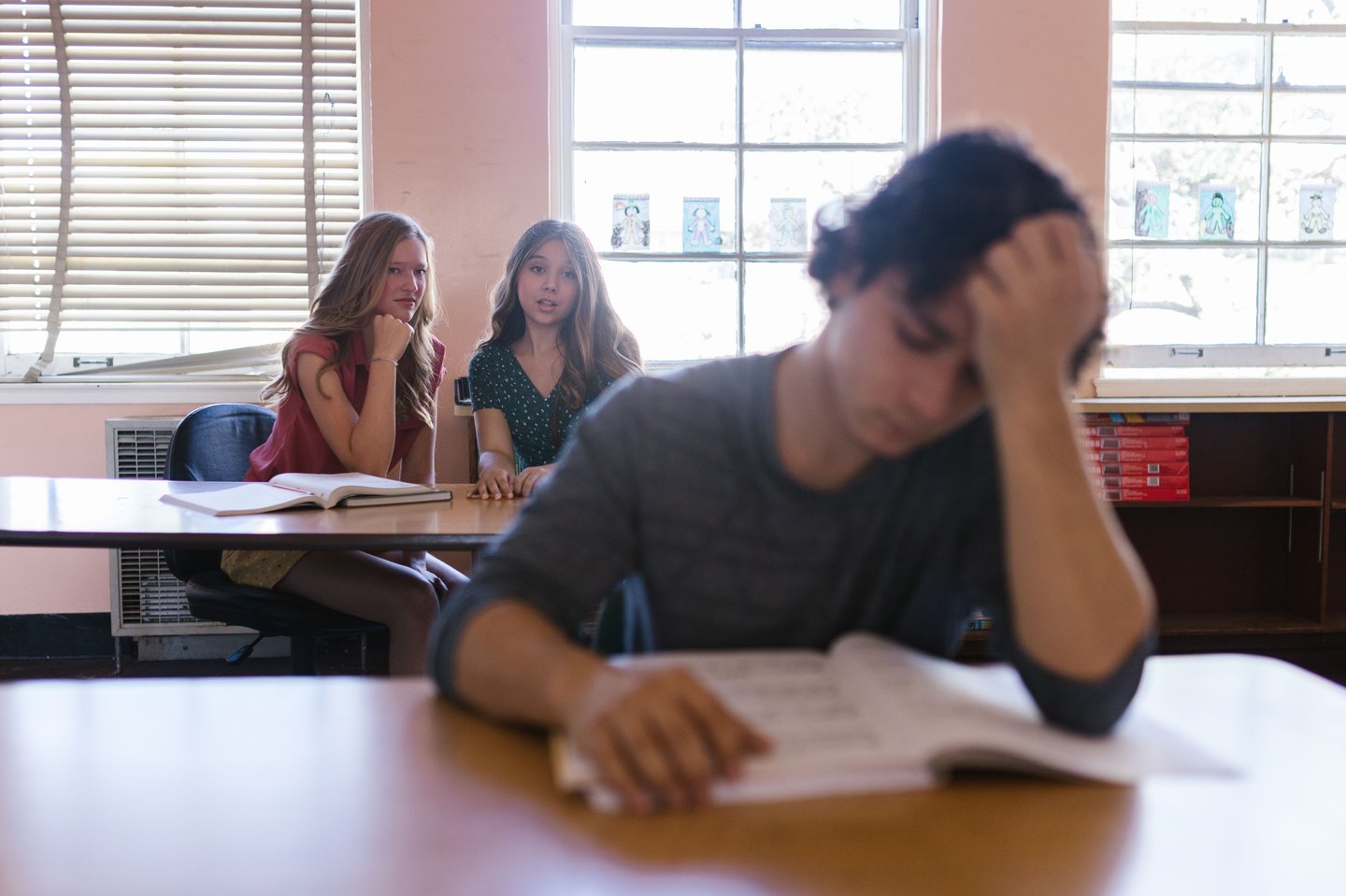
In August you had a plan. New teacher, new school, maybe a new 504 plan or a fresh start in the gifted program. Your kid was nervous but hopeful. You were too. Now it’s late October and you’re watching the same thing happen again: the stomachaches, the meltdowns after pickup, the kid who used to watch documentaries for fun saying they hate learning.
I hear this story more in October than any other month. Here’s what I tell parents. The October slump is real, and it’s information, it’s not a failure. If your bright kid is falling apart this early, the fit is probably the problem, not your kid and not your parenting. You have more options than “push through” or “pull out tomorrow,” and the right next step depends on what the slump is telling you.
Why does my kid fall apart in October?
The first weeks of school run on novelty and adrenaline. By October the novelty is gone and the routine has set in. For a lot of gifted or 2e kids, that routine means moving too slowly in the subjects they love and too fast in the parts that don’t come easily. It means hours of sitting still and very little that feels like theirs.
Kids can hold it together for a while. Then the tank runs dry. That’s when you see the slump: more resistance in the morning, more big feelings at night, less curiosity everywhere in between.
How do I know if this is a rough patch or a real problem?
Every kid has hard weeks. A few signs tell me it’s more than that:
- Their light is dimming. The kid who used to ask a hundred questions has stopped asking.
- It’s spreading. The dread starts Sunday night, or shows up on weekends too.
- Their body is talking. Stomachaches, headaches, trouble sleeping. Check with your pediatrician to rule out other causes.
- You’ve already tried the fixes. Meetings, accommodations, a new teacher, and you’re seeing the same pattern.
- They feel alone. They say nobody gets them, or they’re the only one who likes what they like.
One mom told me her son’s school year wasn’t working by day five. By the winter break, they were homeschooling.
What can I try before I pull my kid out?
Pulling out isn’t the only move. Here’s what I’d try first:
- Refill the cup after school. A mom in our community coined the phrase “the YSA glow.” Her son went to school all day, it squeezed the love of learning out of him, and then he came home to a class he loved and glowed. One or two afternoons a week of something that feeds your kid can change how the whole week feels. It sounds backwards, but adding the right thing can give a tired kid more energy, not less.
- Find their people somewhere. If your kid feels like the only one, put them in a small group built around a specific interest. For example, kids who sign up for Model UN or World War I history at age 10 tend to find each other.
- Talk to the school with specifics. Bring what you’re seeing at home. Ask what can flex: pace, workload, how your kid shows what they know.
- Give your kid language. I tell kids there’s nothing wrong with them. They just have a different brain, and different brains need different setups.
When is it time to leave school?
I can’t make that call for you, and I’d be wary of anyone who says they can from a blog post. But when parents tell me they made the move, the reasons sound alike. Their kid’s mental health was sliding. The fixes weren’t fixing anything. And they wanted to protect a love of learning before it was gone.
When you intervene early and often, it changes a kid’s path in a big way. If your gut has been telling you something since September, it’s worth listening to.
If I pull my kid out mid-year, what happens next?
The first weeks are about rest and rebuilding trust, not catching up. After that, add a light structure built around your kid’s interests, cover the basics in creative ways, and find community for both of you. I wrote a full guide for this stage: “I Pulled My Kid Out of School. Now What?”
You’ll also want to check your state’s homeschool rules. Many families use state ESA or charter funds for classes if their state offers them.
Where does Young Scholars Academy fit?
YSA is a virtual enrichment village for gifted or 2e learners ages 5 to 18. Some families come to us after school to refill the cup. Others build most of their homeschool week with us. Classes meet live with 6–8 students max, cameras are always optional, and our mentors are bright, quirky adults, grown-up versions of the kids they teach.
Frequently asked questions
Is it normal for gifted kids to struggle more as the school year goes on?
It’s common. The early weeks run on novelty. When the routine sets in and the work doesn’t match how a kid learns, the struggle often shows up around October.
Should I wait until the semester ends to make a change?
It depends on how your kid is doing. If they’re holding steady, an after-school class may be enough for now. If they’re sliding, waiting can cost more than it saves.
Can after-school enrichment help if school isn’t working?
It won’t fix a bad fit, but it can protect your kid’s love of learning while you figure out next steps.
Can my kid start classes in the middle of the year?
At YSA, yes. Families join during the year, and a new set of classes starts each January.
You’re not the only family having this year
If this October looks a lot like last October, book a short call with me. Tell me what your kid was like in August and what you’re seeing now, and we’ll talk through options that fit your family.
Mr. Sam
About Young Scholars Academy
Young Scholars Academy is a WASC-accredited virtual learning community offering 200+ live online courses and camps for gifted or 2e children ages 5–18, in classes of 6–8 students, led by neurodivergent mentors. Young Scholars Academy currently serves 1,200+ families across 47+ states and 17 countries, with a 93% semester-over-semester re-enrollment rate. ESA funding is accepted in 10+ states.
Explore Fall CoursesYou don't have to figure this out alone.
Right now, a kid who thinks like your kid is in a class they chose, with a mentor who was once just like them, surrounded by friends who don't think they're weird... they think they're interesting.
200+ courses for kids who think differently.
Live online. Classes of 6–8. Mentors who were these kids. WASC accredited.
Explore Fall CoursesTrusted by families like yours
1,200+ families across 47+ states. 93% re-enroll.
They found their people here. So can your child.
Explore Fall CoursesRecommended for readers of School & Learning
Find a school & learning class that fits your child.
Small groups of 6–8, led by mentors who get how your kid thinks.
Explore Fall Courses5 Signs Your Gifted or 2e Child Is Being Under-Served
A free, practical guide — plus early invites to expert talks, AMAs, and new course launches.
No spam. Unsubscribe anytime.
You're in! Check your inbox for the guide. ✨
You're already in the village
Here's what's open right now.
Live online. Classes of 6–8. Mentors who were these kids. WASC accredited.
Explore Fall Courses