Rudolph The 2e Reindeer?
Through a strength-based lens, Rudolph the Red-Nosed Reindeer reads as twice-exceptional—and reminds us to see our students' gifts early and often.
I always know it’s December when the flood of Christmas movies on TV swells to a tidal high. This year, I can’t help but watch these classics through a different lens; a strength-based, positive psychology lens.
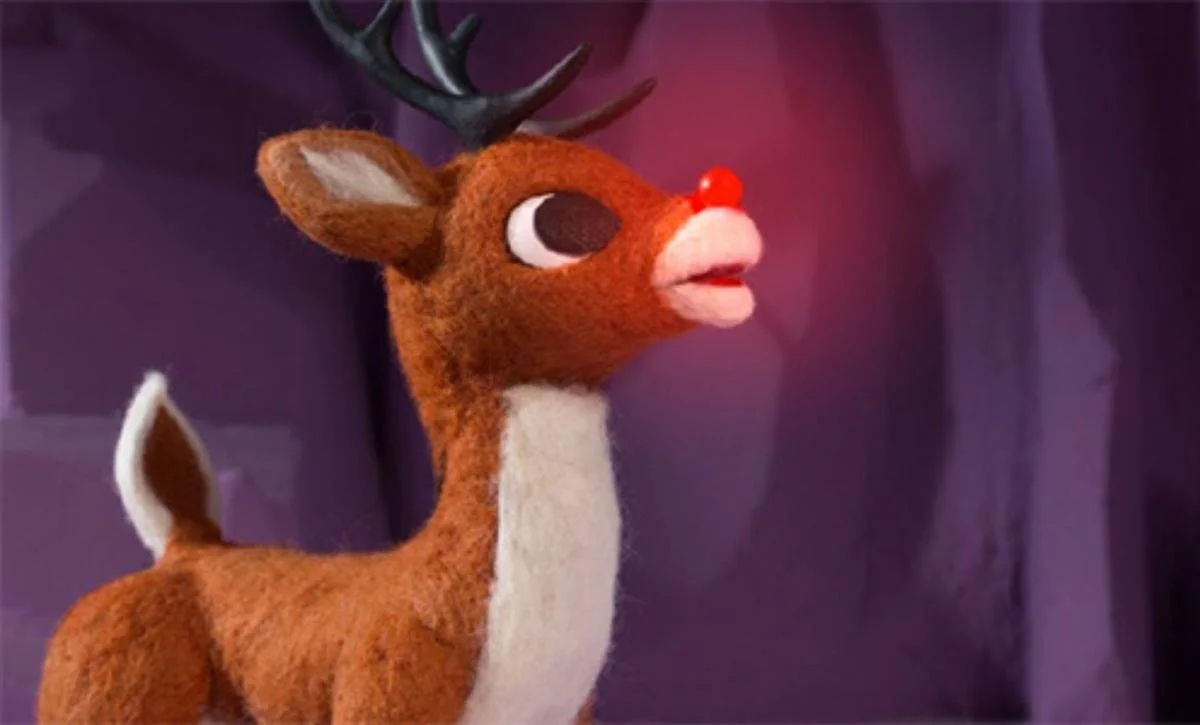
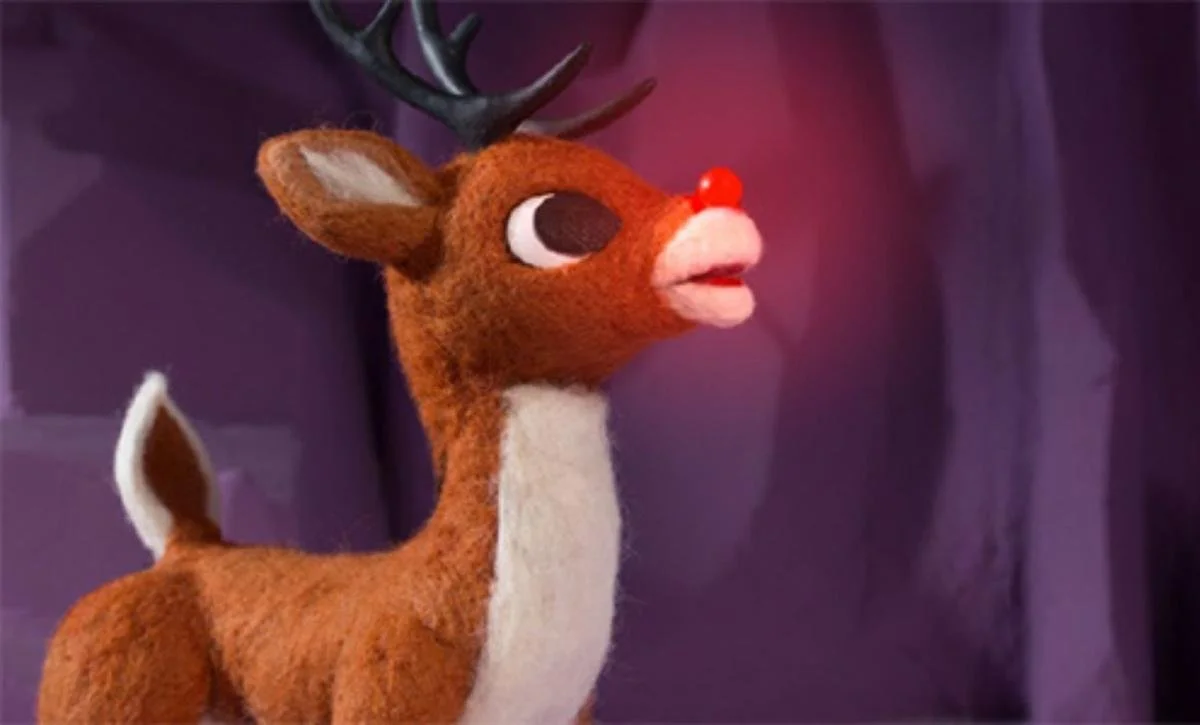
After watching the 1964 classic, Rudolph the Red-Nosed Reindeer, I can’t help but feel like Rudolph is totally 2e!
For those who may not know, 2e means twice-exceptional. Being 2e means someone has both exceptional abilities and exceptional difficulties, hence the name, 2e.
Here is this quirky reindeer with a unique profile and above-average ability who is different from his neurotypical peers. As a result, he is ostracized and struggles to socialize. Sound familiar?
The real tragedy of the story is that Rudolph has this above-average ability that, without being understood, is overlooked by everyone, including poor Rudolph. It’s sad that no one understands his gift and therefore they pick on him. This creates low self-esteem in poor old Rudolph as he internalizes the judgment and begins masking his gift so as to fit in.
While this story is rife with struggle, the climax is so beautiful because we see a change in the surrounding community, not in Rudolph. In other words, we don’t see the medical model narrative play out in a manner in which he needs to “get right” or be “fixed”. Rather, those around him had an awakening. Nevertheless, it’s sad that poor ol’ Rudy isn’t accepted until he’s needed.
Too often our 2e students, like Rudolph, suffer until they are seen. We need to remember that no matter how pronounced perceived challenge areas/learning differences may seem, we need to focus on each child’s strengths EARLY and OFTEN! Rudolph was weird until he wasn’t. When he was no longer weird, he was an innovative leader and hero!
As iconic psychologist Joseph Renzulli said,
“Gifted behavior occurs in certain people, at certain times, under certain circumstances.”
Rudolph is a prime example of Renzulli’s theory and so are our 2e students!
The takeaway: let’s see our students’ red noses now and not wait! Additionally, let’s set the intention to do all we can next year to make sure they feel celebrated and can learn to see their own differences as gifts.
Let’s help them light their own ways!
Happy Holidays!
About Young Scholars Academy
Young Scholars Academy is a WASC-accredited virtual learning community offering 200+ live online courses and camps for gifted or 2e children ages 5–18, in classes of 6–8 students, led by neurodivergent mentors. Young Scholars Academy currently serves 1,200+ families across 47+ states and 17 countries, with a 93% semester-over-semester re-enrollment rate. ESA funding is accepted in 10+ states.
Explore Fall CoursesYou don't have to figure this out alone.
Right now, a kid who thinks like your kid is in a class they chose, with a mentor who was once just like them, surrounded by friends who don't think they're weird... they think they're interesting.
200+ courses for kids who think differently.
Live online. Classes of 6–8. Mentors who were these kids. WASC accredited.
Explore Fall CoursesTrusted by families like yours
1,200+ families across 47+ states. 93% re-enroll.
They found their people here. So can your child.
Explore Fall CoursesRecommended for readers of Twice-Exceptional
Find a twice-exceptional class that fits your child.
Small groups of 6–8, led by mentors who get how your kid thinks.
Explore Fall Courses5 Signs Your Gifted or 2e Child Is Being Under-Served
A free, practical guide — plus early invites to expert talks, AMAs, and new course launches.
No spam. Unsubscribe anytime.
You're in! Check your inbox for the guide. ✨
You're already in the village
Here's what's open right now.
Live online. Classes of 6–8. Mentors who were these kids. WASC accredited.
Explore Fall Courses